
Homeowner Tips & Guides
Water leak in your Miami property? Shut off the main valve, make the area electrically safe, and call a licensed pro the same day. Miami's humidity can start mold growth within 24–48 hours.
When you detect a water leak in a Miami property, shut off the main water valve first, cut power to any wet area, and call a licensed pro for same day repair. Those three actions stop most of the damage. Miami's heat and 70–90% humidity let mold begin growing within 24–48 hours of moisture exposure, so speed matters more here than almost anywhere else in the country.
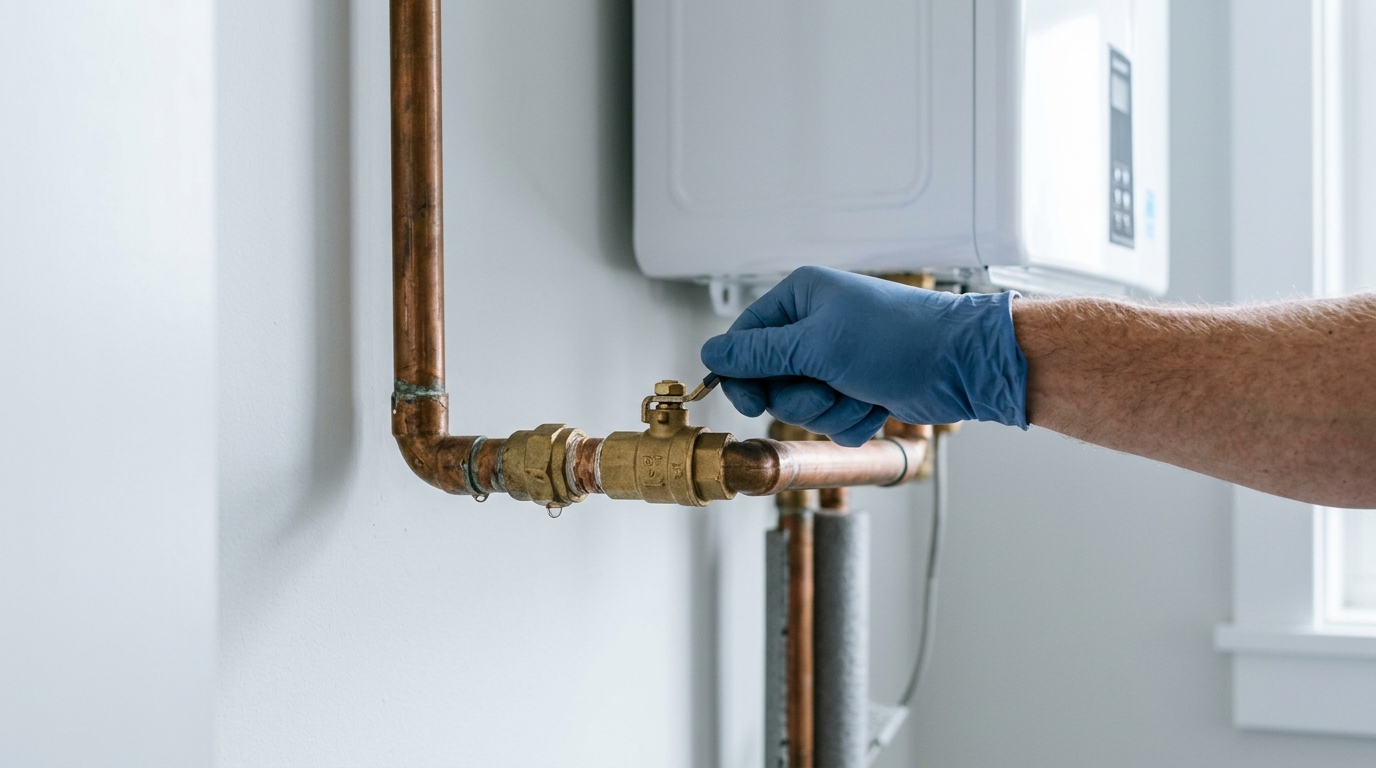
Locate the main shutoff valve before you try to find the leak itself. In most Miami-Dade homes it sits near the water meter at the front of the property, in a concrete or plastic box at ground level. Many single-family homes also have a shutoff where the line enters the house, often in the garage or near the water heater. Condos and apartments usually have a unit-level valve under a sink, in a utility closet, or behind an access panel near the water heater.
Once water is off, open the lowest faucet in the house to drain pressure from the lines. This reduces how much water keeps escaping from a burst or cracked section.
Water and electricity create the most dangerous scenario in a leak. If water is near outlets, a breaker panel, ceiling light fixtures, or appliances, treat the area as energized until proven otherwise.
A ceiling that bulges or sags with trapped water should be punctured only by a professional. Water inside a ceiling cavity often runs along wiring and recessed lights.
Different leaks need different responses. Use this comparison to decide how urgent your situation is.
| Leak Type | Typical Signs | Urgency | Immediate Action |
|---|---|---|---|
| Burst supply line | Spraying or pooling water, sudden loss of pressure | Emergency | Shut off main, call plumber immediately |
| Slab leak | Warm spots on floor, running water sound, high bill | Same day | Shut off main, schedule leak detection |
| AC condensate overflow | Water at air handler, stained ceiling, AC shut off | Same day | Turn off AC at thermostat and breaker |
| Water heater leak | Pooling at base, rusted tank | Same day | Close cold inlet valve, switch off power or gas |
| Dripping fixture or trap | Slow drip under sink | Within days | Place bucket, close fixture stop valve |
In Miami, a broken AC is one of the most common causes of ceiling and wall water damage. Air conditioners in South Florida run close to year-round, producing several gallons of condensate per day. When the drain line clogs with algae and sludge, the secondary pan fills and overflows into the ceiling or closet.
Frozen evaporator coils also cause leaks. When ice melts, it can overwhelm the pan. If you see ice on the refrigerant line, run the fan only to thaw the coil, then request AC repair near you. Running a frozen system can damage the compressor.
Every hour of standing water spreads moisture into drywall, baseboards, and subfloors. Act in this order:
Drywall that stays wet longer than 48 hours generally needs removal of the affected section, often cut 12–24 inches above the visible water line.
Before cleanup removes evidence, take timestamped photos and video of the source, affected rooms, damaged belongings, and any water meter reading. Keep receipts for emergency repairs, since most policies require reasonable steps to prevent further loss. Note that many Florida homeowners policies cover sudden and accidental discharge but exclude long-term seepage. Documenting that the leak was sudden, and when you found it, supports your claim. Ask your plumber to write a report describing the cause and the repair performed.
Storms often cause roof leaks and outages together. If you face a power outage in Miami, what to do depends on the cause:
When power returns, switch the AC on after a few minutes to avoid a surge hitting the compressor. Never restore power to circuits that got wet without an inspection.
Call a licensed professional for any leak you cannot trace, any water near electrical components, any repeated AC overflow, and any suspected slab leak. For leaking pipe repair in Miami, ask the contractor these questions:
Many repairs, such as replacing a supply line, a shutoff valve, a condensate pump, or a damaged outlet, fall within a skilled handyman's scope. Larger work such as repiping, slab repair, or panel replacement requires a licensed plumber or electrician. A provider covering handyman, electrical, and air conditioning services under one roof can coordinate all three when one leak affects several systems.
Mold can begin growing within 24–48 hours on damp drywall, wood, or carpet. Miami's warm temperatures and high humidity speed this up, so drying the area with dehumidifiers within a day is critical.
Yes, if you can reach the breaker panel safely without standing in water. Turn off breakers for the affected rooms. If the panel itself is wet, stay clear and call an electrician for emergency electrical repair.
The most common cause is a clogged condensate drain line. Other causes include a frozen evaporator coil, a failed condensate pump, or a cracked drain pan. Turn the system off and schedule AC repair the same day.
A handyman can usually replace fixture supply lines, shutoff valves, traps, and accessible fittings. Burst main lines, slab leaks, and repiping require a licensed plumber.
Check your breaker panel to confirm the outage is not just a tripped breaker, then check the FPL outage map. Keep the refrigerator closed, avoid downed lines, and run generators only outdoors.
Call us today or fill out the form and we'll call you back within 2 business hours. Plans start at $69.99/mo.
1-833-426-3942